![[Translate to English:] master ohe en apprentissage](https://www.oniris-nantes.fr/fileadmin/Documents/02_Etudier_a_Oniris/05_Les_Masters/Master_One_Health/video-ohe-alternance-oniris.jpg)
The OHE Master's degree in apprenticeship, watch the video
One Health-Emerge Master
Follow us on Social Media!
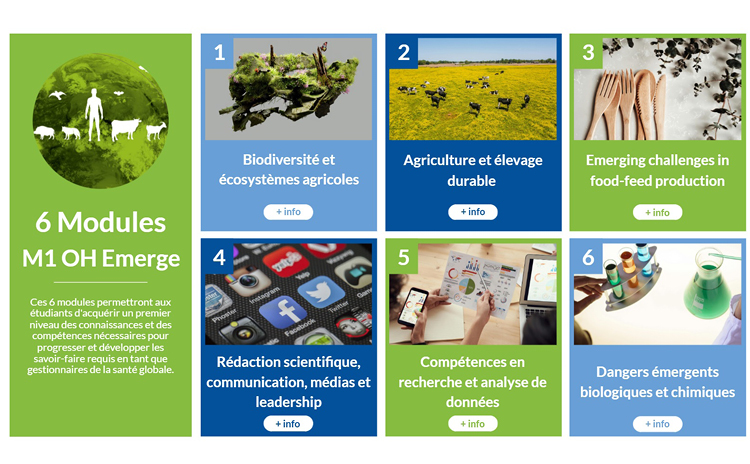
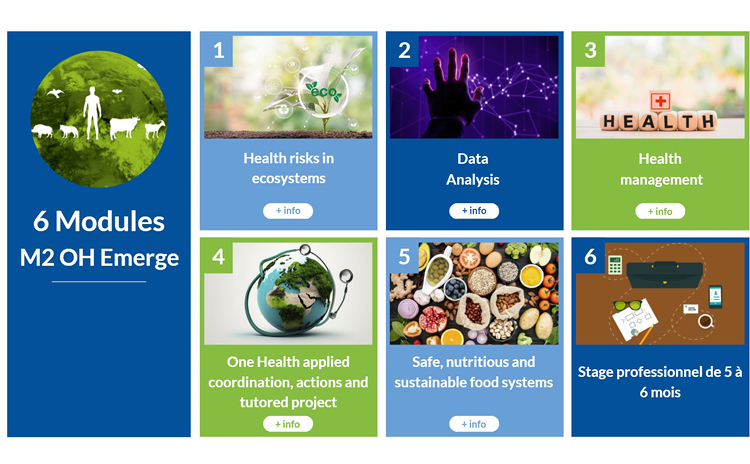
The One Health-Emerge Master's programme at a glance
- Initial training
- in Apprenticeship
- Master's 2 programme taught entirely in English
- Training programme run in partnership with Nantes University
- More information about Master 1
- More information about Master 2
![[Translate to English:] logo nantes université](https://www.oniris-nantes.fr/fileadmin/Ecole/Images/Etudes/masters/logo_Nantes_Universite.jpg)
Useful links and documents
Consult the M2 information brochure Download the expected results Download exam criteriaWhy choose the One Health-Emerge Master's programme?
Many major and emerging infectious diseases can be transmitted from animals to humans, either directly or indirectly, such as through foodstuffs that may be contaminated from production to consumption. Recent health crises such as Covid, avian influenza and dioxins highlight the need to train experts capable of analysing complex health situations and proposing appropriate measures to anticipate, prevent and manage these crises using a ‘One Health’ approach that takes into account health and the interrelationships between human health, animal health and the environment.
Biologists, doctors, veterinarians, pharmacists, agri-food engineers and agronomists must therefore learn to get to know each other, work together and collaborate to face future health challenges.
The aim of the M1 & M2 One Health-Emerge Master's programme is to train managers capable of dealing with the complexity of these issues related to food production and processing and emerging infectious diseases, using a ‘One Health’ approach.
Your M1 will be carried out through immersion and pooling of resources in the veterinary and agri-food engineering courses at Oniris and the biology and health courses at Nantes University.
Following this first year, which will provide you with a foundation of knowledge and methods, you will be joined in M2 by students from health, veterinary and engineering courses. Through practical scenarios, you will learn to work in multidisciplinary teams and develop skills to assess and make decisions to anticipate, prevent and manage biological or chemical health situations according to the ‘One Health’ approach.
First-year Master's courses are taught in French. Working documents in English will be used.
In M2, the majority of classes will be taught in English.
The One Health-Emerge Master's programme aims to develop learners' skills by following our integrated ‘One Health’ approach to health.
You will thus be able to:
- Conduct assessments of current and emerging health risks tailored to the types of exposure.
- Propose measures to control health risks and estimate their effectiveness.
- Work in multidisciplinary teams and networks.
- Make decisions based on risk-benefit analyses.
- Communicate effectively with different audiences.
To develop these skills, our teaching focuses on :
- Zoonotic infectious diseases
- Food-related biological risks
- Chemical risks
- Organisations, economics and health policies
- Prevention and management of health crises
- Data science
- Management and communication with a systemic approach to health and decision-making for its prevention and management
Assessment is organised into continuous assessment and final examinations. Various assessment methods are used: written assignments, presentations, supervised projects and internship reports.
A compulsory internship of 2 months is required in M1 and 4 to 6 months in M2.
Classes are held at Oniris (Food Science Campus and Veterinary Campus) as well as at the Faculty of Science and the Faculty of Medicine at Nantes University in Nantes.
The main employers of Master's graduates are :
- National and international public and semi-public public health organisations
- Pharmaceutical and agri-food companies
- Research organisations
- Health research and consultancy firms
- Organisations working in the fields of the environment, agriculture and livestock farming.
The professions pursued by our graduates are :
- Public health project manager
- Health prevention and promotion project manager
- Regulatory affairs manager
- Risk assessment officer
- Veterinary public health manager
- Health risk assessment and management manager
- Researcher or lecturer-researcher in the fields of health, nutrition or risk management
Expected to be admitted
- Have a bachelor's degree in life sciences or health.
- Have a solid grasp of the fundamentals of general biology.
- Be able to apply scientific knowledge to analyse complex, multidisciplinary situations - define a problem and develop a line of reasoning.
- Have sufficient English language skills to understand the course content: be able to communicate orally and in writing.
- Be interested in global health issues, the One Health concept and careers at the interface of animal health, human health and the environment.
- Be able to work independently and as part of a team.
- Be able to summarise information in writing and communicate orally in front of an audience.
M1 Application procedure for the year 2026-2027
Admissions: You can submit your applications between 17 February and 16 March 2026 via the national application platform for first-year Master’s programmes: MonMaster.gouv.fr
Review of your application: Your application will be reviewed by the institution between 23 March and 29 May 2026.
Response to applications: The admission phase (sending out offers of admission to applicants and applicants’ responses to these offers) will take place from 3 June to 16 June 2026.
M2 Application procedure for the year 2026-2027
For French or European students:
Applications for the M2 OHE are open from 9 March 2026 to 12 April 2026.
For non-European students covered by the ‘Etudes en France’ procedure:
Complete your application via the platform Etudes en France.
Application period: procedure Etudes en France.
Décision des établissements : 30 avril 2026.
For non-European students from a country not covered by the ‘Etudes en France’ scheme:
Applications for the M2 OHE are open from 9 March 2026 to 12 April 2026.
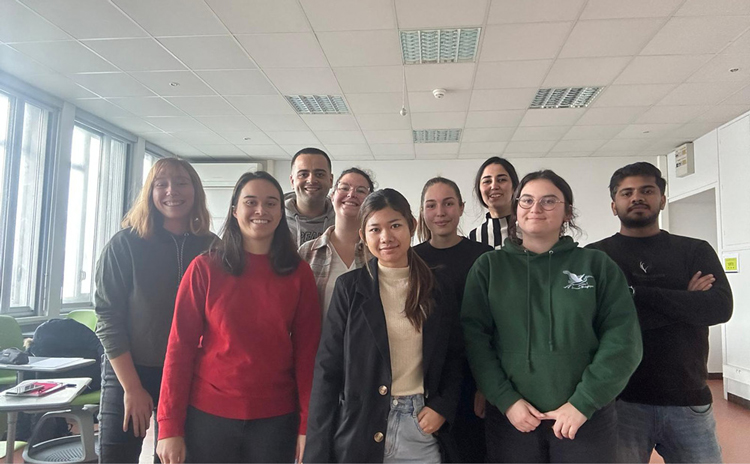
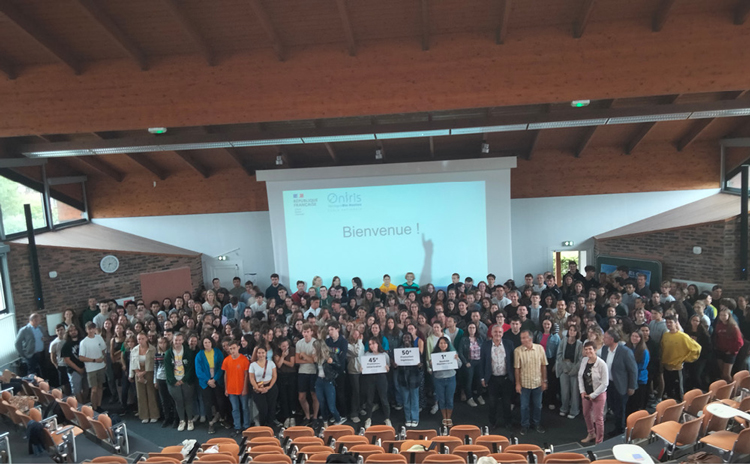
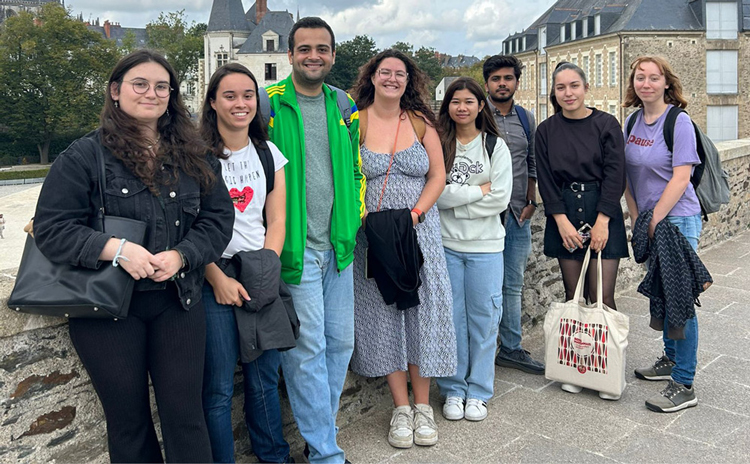
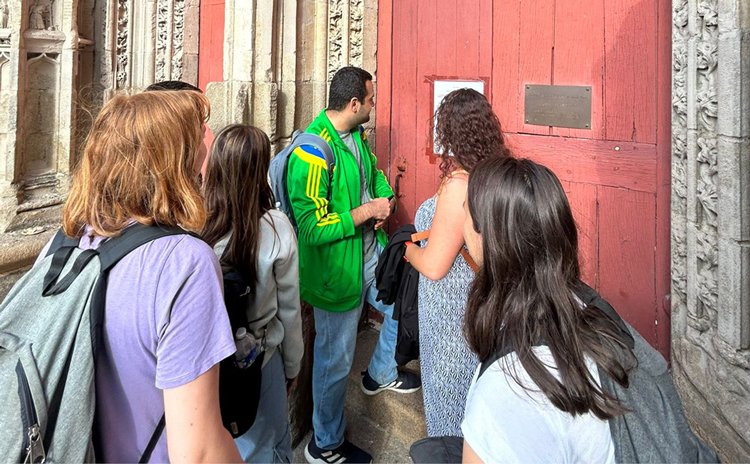
A dynamic student life


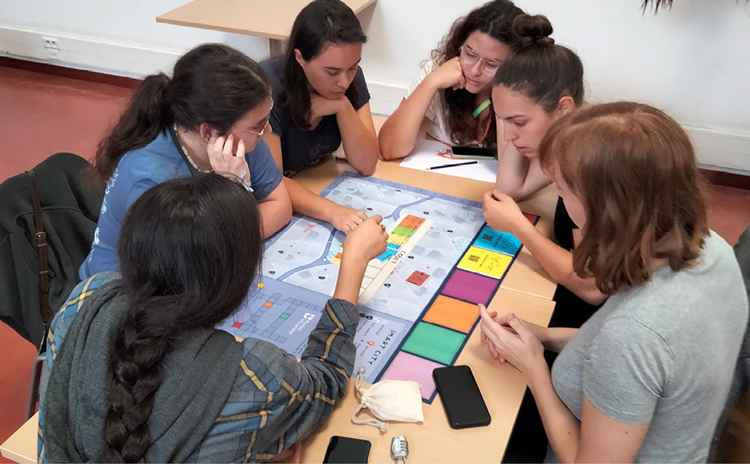
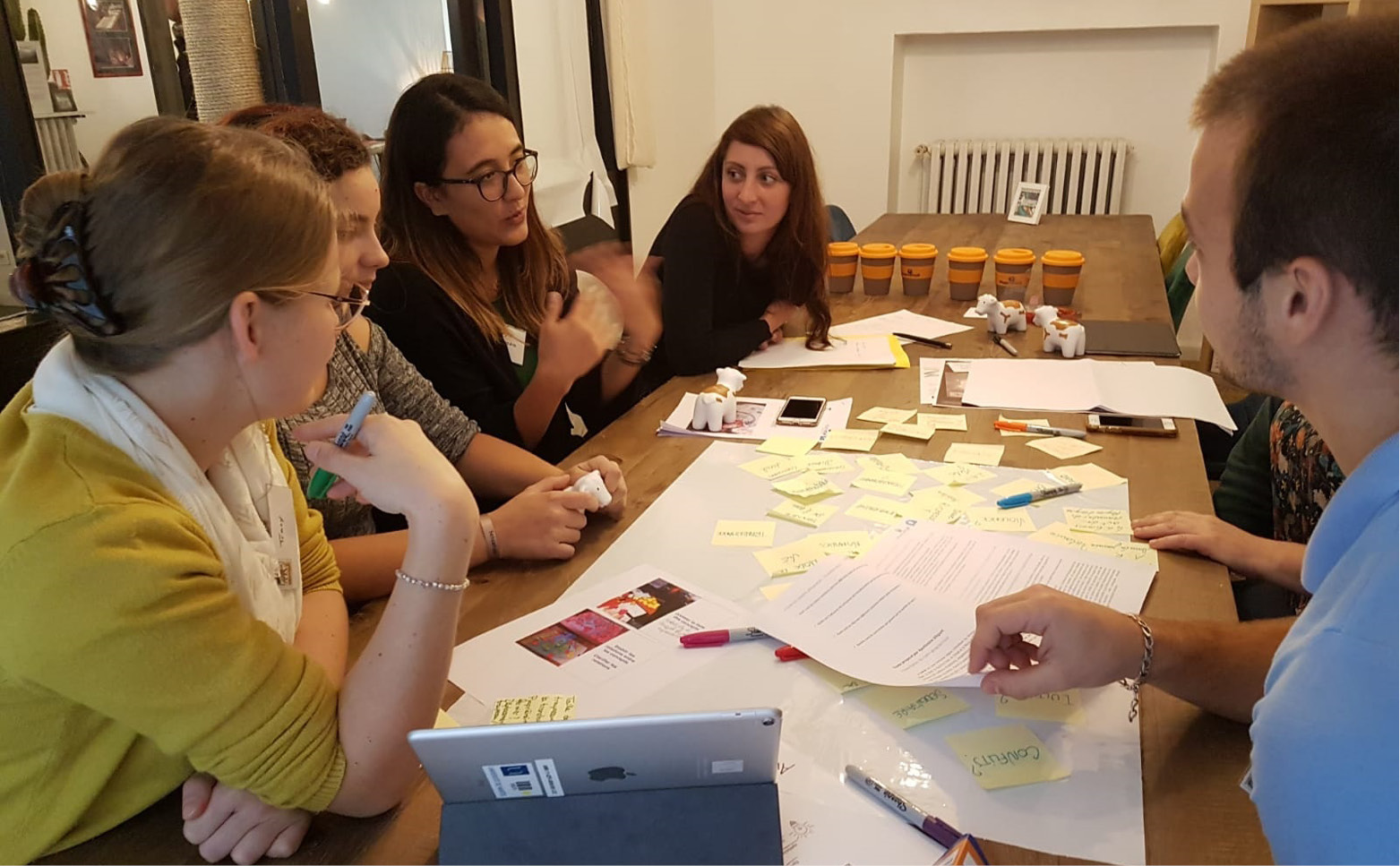
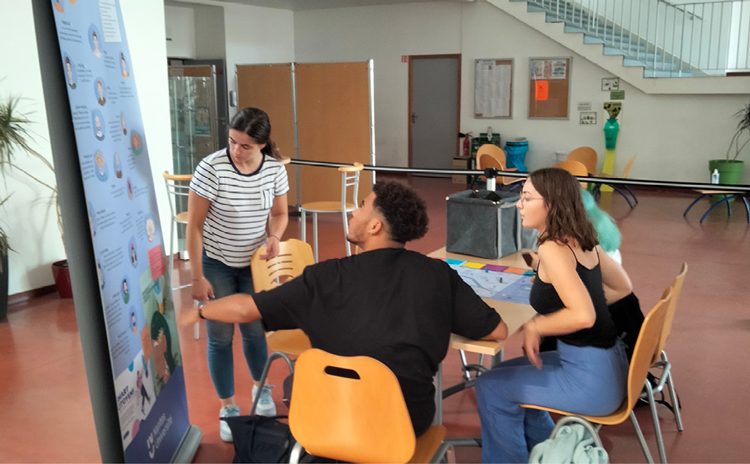


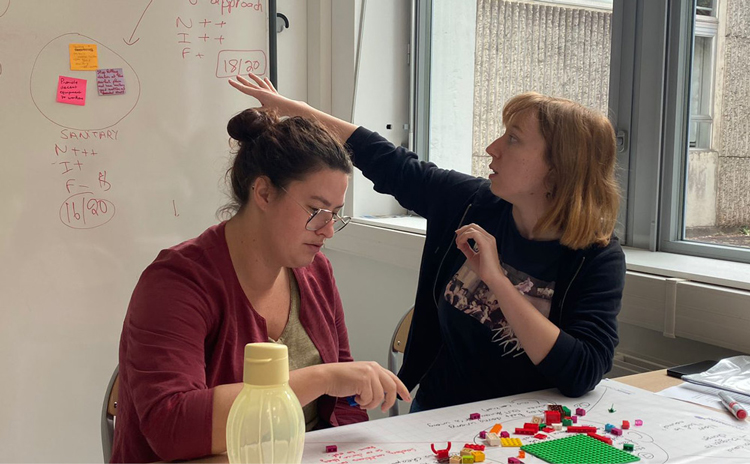

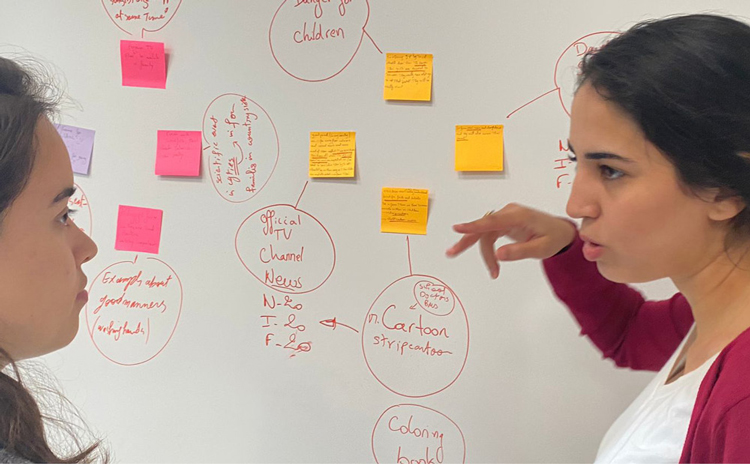
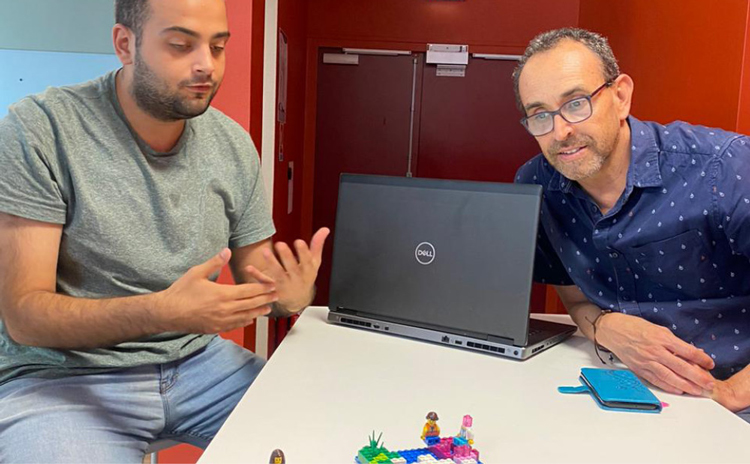


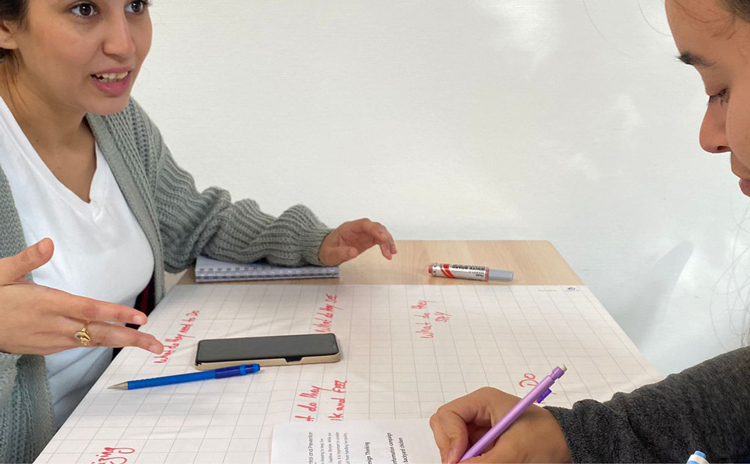

Your contact for any questions
contact.master@oniris-nantes.fr
j.fleury@leem-apprentissage.org
(for apprenticeships)
You may also be interested in these contents
- Master's 2 Degree in Health Bioproduction (BPS)
- Specialisation in Nutrition and Food Science, Master’s programme in Innovation and Food Science (MIAMSA)
- Specialisation in Nutrition and Food Science, Health Nutrition Master’s programme (NutriS)
- Specialisation in Biology and Agrosciences, Animal Science pathway for the livestock industry of the future – Master’s degree (SAED)
A look back at the 2025 International Agricultural Show
![[Translate to English:] sia 2025](https://www.oniris-nantes.fr/fileadmin/Documents/02_Etudier_a_Oniris/05_Les_Masters/Master_One_Health/sia-2025-one-_health-oniris.jpg)
A sweet little break at the Salon de l'Agriculture, where Flavie, a student on the Master's One Health Emerge programme, fell in love with the adorable chicks from Loué! She then continued her visit by meeting passionate producers and sampling delicious local products, before making an informative stop at the ANSES stand.
A look back at the workshop ‘Challenge: Water Contamination’
![[Translate to English:] atelier contamination eau](https://www.oniris-nantes.fr/fileadmin/Documents/02_Etudier_a_Oniris/05_Les_Masters/Master_One_Health/atelier-contamination-eau.jpg)
During their studies, OHE Master's students work on a variety of issues. Discover the results of the work carried out during the workshop on water contamination :